
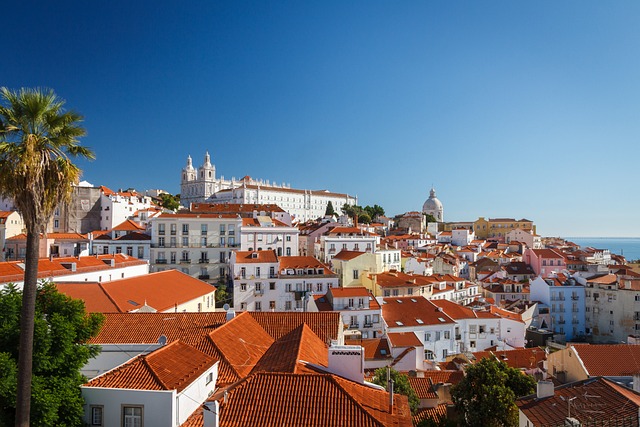

Introduction to Lisbon, Portugal
Lisbon, the “City of Seven Hills,” is a place where golden sunlight dances on pastel-colored buildings and the salty breeze of the Atlantic whispers tales of ancient explorers. As one of the oldest cities in the world, Lisbon precedes other modern European capitals like London and Paris by centuries. Today, it stands as a breathtaking tapestry of history, art, and modern innovation. Whether you are navigating the steep climbs of the Alfama or sipping wine by the Tagus River, Lisbon offers an intoxicating blend of old-world nostalgia and contemporary cool.
A Glimpse Into the Past: From Phoenicians to Revolution
Lisbon’s history is a saga of resilience and transformation. Strategically located where the Tagus River meets the ocean, it has been a coveted prize for empires throughout time.
The Roots of the City
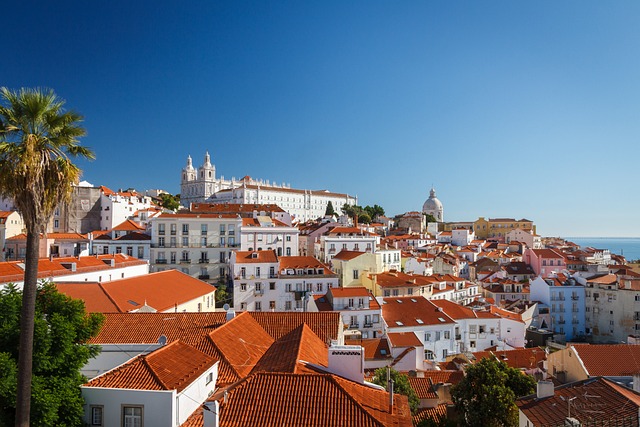
The city’s origins are ancient, with settlements dating back to the Phoenicians around 1200 BC. Following them, the Romans and Visigoths left their mark, but it was the Moorish occupation starting in the 8th century that truly defined Lisbon’s layout. The narrow, labyrinthine streets of the Alfama district are a living relic of this era, designed to keep the city cool and defensible.
The Age of Discovery
In the 15th and 16th centuries, Lisbon became the center of the world. During the Age of Discovery, Portuguese explorers like Vasco da Gama and Ferdinand Magellan set sail from the docks of Belém, charting unknown waters and bringing back riches from Africa, India, and Brazil. This era birthed the Manueline architectural style, an ornate and maritime-inspired design unique to Portugal.
Rebirth After the Great Quake
In 1755, a devastating earthquake and subsequent tsunami nearly erased Lisbon. However, under the visionary leadership of the Marquis of Pombal, the city rose from the ashes. He pioneered earthquake-resistant architecture and designed the grand, symmetrical Baixa district, which remains the heart of the city today.
Key Attractions in Lisbon
Lisbon offers an array of attractions that blend the old with the new. Here are some must-visit spots:
1. Belém Tower (Torre de Belém)
Located on the Tagus River, Belém Tower was built in the early 16th century. Originally a defense structure, it offers stunning views of the river and surrounding area.

2. Jerónimos Monastery (Mosteiro dos Jerónimos)
A prime example of Manueline architecture, this 16th-century monastery honors Vasco da Gama’s voyage to India. It houses his tomb and is a UNESCO World Heritage site.
3. Alfama District
The oldest neighborhood in Lisbon, Alfama is full of narrow streets, colorful buildings, and hidden gems. Here, you can experience traditional Fado music and explore key landmarks like São Jorge Castle and the Lisbon Cathedral.
4. São Jorge Castle (Castelo de São Jorge)
This medieval castle offers panoramic views of the city. Built in the 11th century, it’s a prime spot for exploring Lisbon’s history and scenic landscapes.
5. Baixa and Rossio Square
Baixa is Lisbon’s central district, known for wide boulevards and neoclassical architecture. Rossio Square, the city’s main square, is bustling with cafes, shops, and historical landmarks.
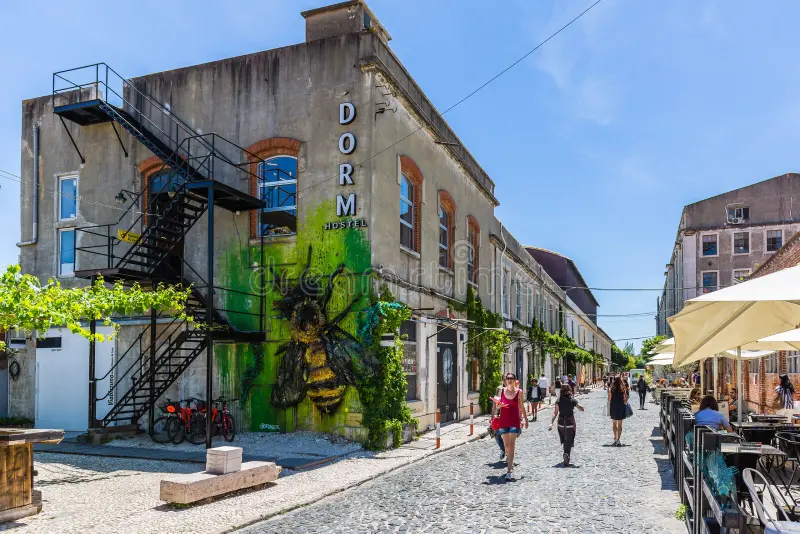
6. LX Factory
This creative hub in a former industrial complex features galleries, shops, restaurants, and street art. It’s a trendy spot for both locals and tourists.
7. Eduardo VII Park
A peaceful green space, the park offers scenic views over the city. It’s a great place to relax, walk, or enjoy a picnic.
8. Oceanário de Lisboa (Lisbon Oceanarium)
One of the largest aquariums in Europe, it showcases marine life from sharks to tropical fish. It’s a must-visit for animal lovers and those interested in marine conservation.
9. Calouste Gulbenkian Museum
This museum houses a collection of European and Oriental art, including works by Rembrandt and Monet. It’s a serene spot to enjoy art and nature.
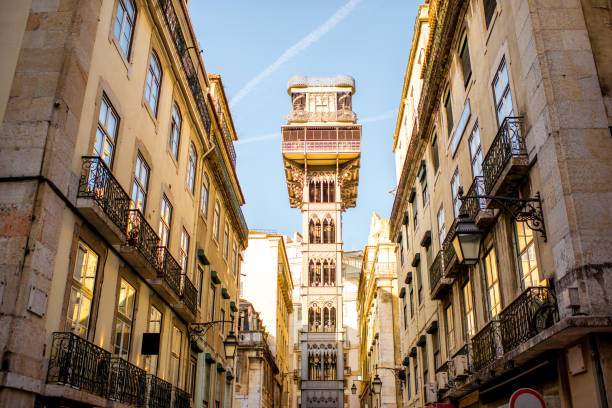
10. Elevador de Santa Justa
The Santa Justa Lift offers a unique ride between the Baixa and Chiado districts. It provides incredible views of Lisbon’s historic center.
Travel Tips for Lisbon
To make the most of your visit to Lisbon, here are some practical tips:
1. Public Transportation
Lisbon’s public transport system is efficient and affordable. The metro, trams, buses, and ferries are great for exploring the city. Consider the Lisboa Card for unlimited transport and discounts on attractions.
2. Wear Comfortable Shoes
With its hills and cobbled streets, Lisbon requires good footwear. Comfortable shoes are essential for exploring neighborhoods like Alfama.
3. Embrace Local Cuisine
Don’t miss Lisbon’s culinary delights, such as bacalhau (salted codfish), pastéis de nata (custard tarts), and grilled sardines.
4. Stay Hydrated and Protect from the Sun
Lisbon’s Mediterranean climate means hot summers. Drink plenty of water and wear sunscreen when exploring.
5. Explore the Viewpoints
Lisbon offers beautiful miradouros (viewpoints) with stunning city views. Popular spots include Miradouro da Senhora do Monte and Miradouro de Santa Catarina.
6. Learn Basic Portuguese Phrases
While many locals speak English, learning basic phrases like “obrigado” (thank you) will enhance your experience.
Discover Lisbon: A Timeless Journey Through Portugal’s Radiant Capital
Lisbon, the “City of Seven Hills,” is a place where golden sunlight dances on pastel-colored buildings and the salty breeze of the Atlantic whispers tales of ancient explorers. As one of the oldest cities in the world, Lisbon precedes other modern European capitals like London and Paris by centuries. Today, it stands as a breathtaking tapestry of history, art, and modern innovation. Whether you are navigating the steep climbs of the Alfama or sipping wine by the Tagus River, Lisbon offers an intoxicating blend of old-world nostalgia and contemporary cool.
A Glimpse Into the Past: From Phoenicians to Revolution
Lisbon’s history is a saga of resilience and transformation. Strategically located where the Tagus River meets the ocean, it has been a coveted prize for empires throughout time.
The Roots of the City
The city’s origins are ancient, with settlements dating back to the Phoenicians around 1200 BC. Following them, the Romans and Visigoths left their mark, but it was the Moorish occupation starting in the 8th century that truly defined Lisbon’s layout. The narrow, labyrinthine streets of the Alfama district are a living relic of this era, designed to keep the city cool and defensible.
The Age of Discovery
In the 15th and 16th centuries, Lisbon became the center of the world. During the Age of Discovery, Portuguese explorers like Vasco da Gama and Ferdinand Magellan set sail from the docks of Belém, charting unknown waters and bringing back riches from Africa, India, and Brazil. This era birthed the Manueline architectural style, an ornate and maritime-inspired design unique to Portugal.
Rebirth After the Great Quake
In 1755, a devastating earthquake and subsequent tsunami nearly erased Lisbon. However, under the visionary leadership of the Marquis of Pombal, the city rose from the ashes. He pioneered earthquake-resistant architecture and designed the grand, symmetrical Baixa district, which remains the heart of the city today.
Top 10 Iconic Landmarks and Experiences
Lisbon is a city of viewpoints (miradouros) and monuments. Here are the essential stops for any traveler:
- Belém Tower (Torre de Belém): A UNESCO World Heritage site, this fortress once stood in the middle of the river, serving as both a defense and a gateway for returning explorers.
- Jerónimos Monastery: Located nearby, this stunning monastery is a masterpiece of Manueline art. It serves as the final resting place for Vasco da Gama.
- The Alfama District: The soul of Lisbon. Walking through Alfama is like stepping back in time. It is the birthplace of Fado, the hauntingly beautiful folk music of Portugal.
- São Jorge Castle: Overlooking the city, this Moorish castle offers the most iconic panoramic views of Lisbon’s red-tiled roofs and the 25 de Abril Bridge.
- Baixa and Rossio Square: The city’s bustling center, perfect for shopping, people-watching at historic cafes, and admiring the “wavy” patterned stone pavements.
- LX Factory: A former industrial complex in Alcântara transformed into a creative hub. It is home to street art, quirky boutiques, and some of the city’s trendiest rooftop bars.
- Eduardo VII Park: A massive public park that offers a stunning linear perspective down toward the Marquis of Pombal Square and the river.
- Lisbon Oceanarium: Located in the modern Park of Nations, this is one of the world’s most acclaimed aquariums, featuring a massive central tank that mimics the open ocean.
- Calouste Gulbenkian Museum: This world-class museum houses a private collection of art spanning 5,000 years, surrounded by lush, peaceful gardens.
- Elevador de Santa Justa: A Neo-Gothic wrought-iron elevator built by a student of Gustave Eiffel. It connects the lower Baixa streets with the higher Carmo Square.
The Flavors of Lisbon: A Culinary Paradise
Portuguese cuisine is simple, fresh, and soul-warming. In Lisbon, the sea is the star of the menu.
Seafood and Salted Cod
You cannot visit Lisbon without trying Bacalhau. It is said there are over 365 ways to cook this salted cod. Whether it’s Bacalhau à Brás (shredded with eggs and potatoes) or grilled, it is a national obsession. During June, the city smells of grilled sardines, celebrated during the Feast of St. Anthony.
The Legendary Pastéis de Nata
The Pastéis de Nata (custard tart) is Lisbon’s most famous export. While you can find them everywhere, the original recipe is still a closely guarded secret at Pastéis de Belém, where they have been baking them since 1837. Crispy, flaky, and topped with cinnamon, they are heaven in a bite.
Conclusion: The Magic of the Tagus
Lisbon is more than just a destination; it is a feeling. It is the sound of a Fado singer’s voice echoing through a dark alley, the taste of a warm custard tart, and the sight of a golden sunset over the Atlantic. It is a city that has survived disasters and emerged with a vibrant, modern spirit while holding tightly to its rich traditions. From its historic towers to its modern street art, Lisbon invites you to slow down, explore, and fall in love with the heart of Portugal.
Internal Links:
- Explore the rock-cut wonders of Ajanta and Ellora Caves.
- Learn about historical preservation at the Archaeological Survey of India.
- Check out our guide to the Top Places to Visit in Mumbai.
External Link:
Learn more about the city’s geography and governance on Wikipedia.
Wow, wonderful blog layout! How long have you been blogging for? you make blogging look easy. The overall look of your website is fantastic, let alone the content!
Thank you for your sharing. I am worried that I lack creative ideas. It is your article that makes me full of hope. Thank you. But, I have a question, can you help me? https://www.binance.com/en-ZA/register?ref=B4EPR6J0