

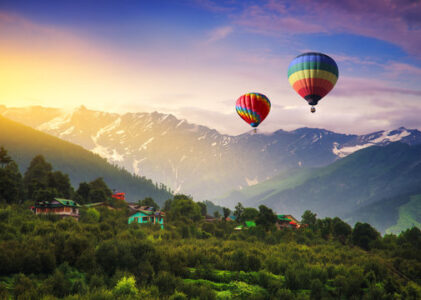
The call of the mountains is undeniable, and in 2026, Kullu Manali remains the undisputed crown jewel of Himachal Pradesh. Whether you are a solo backpacker seeking the “hippie” soul of Old Manali, a couple on a romantic honeymoon, or a family looking for snow-filled adventures at Solang Valley, this valley has something for everyone.
At TravelAtlass.com, we’ve spent weeks on the ground to bring you this comprehensive, 2,000-word guide. We cover everything from the Atal Tunnel engineering marvel to the secret, quiet corners of Sethan Village.
1. Why Visit Kullu Manali in 2026?
The landscape of tourism in Himachal changed after the opening of the Atal Tunnel. No longer is Lahaul and Spiti a distant dream; they are now day-trip realities from Manali. In 2026, improved infrastructure and a surge in “Workation” culture have made Manali a 365-day destination.
- Snow All Year: High-altitude passes like Rohtang ensure you see snow even in June.
- Adventure Capital: From paragliding in Dhobi to rafting in the Beas River.
- Cultural Hub: Experience the ancient Kullu Dussehra, a festival like no other.
2. Best Time to Visit Kullu Manali
Timing is everything for your SEO-friendly travel plan.
- Summer (March to June): Perfect for escaping the plains’ heat. Temperature stays between 10°C and 25°C.
- Monsoon (July to September): Best for budget travelers, but watch out for landslides. The valley turns a lush, neon green.
- Winter (October to February): The “Snow Season.” This is when Rohtang Pass and Solang Valley become white wonderlands.
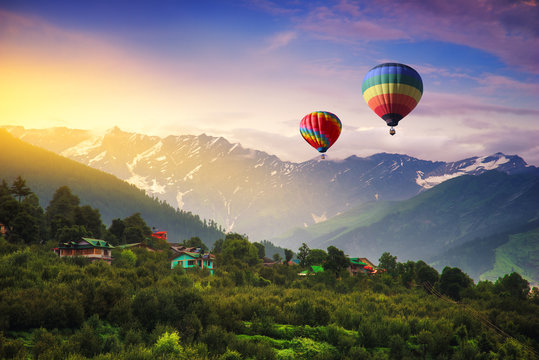
3. Top 10 Places to Visit in Kullu Manali (2026 Edition)
A. The Engineering Marvel: Atal Tunnel & Sissu
No trip is complete without driving through the 9.02 km Atal Tunnel. Emerging on the other side into the Lahaul Valley feels like entering a different planet. Visit Sissu Lake and the Sissu Waterfall for breathtaking photos.
B. Rohtang Pass: The Snow Point
Located at 13,050 feet, Rohtang is the gateway to Lahaul.
Pro Tip: You need a special permit to visit Rohtang. Apply 2–3 days in advance on the official HP Tourism website to avoid disappointment.
C. Old Manali: The Soul of the Town
Walk across the Manalsu River bridge and you’ll enter a world of cobblestone streets, vibrant graffiti, and some of the best cafes in India.
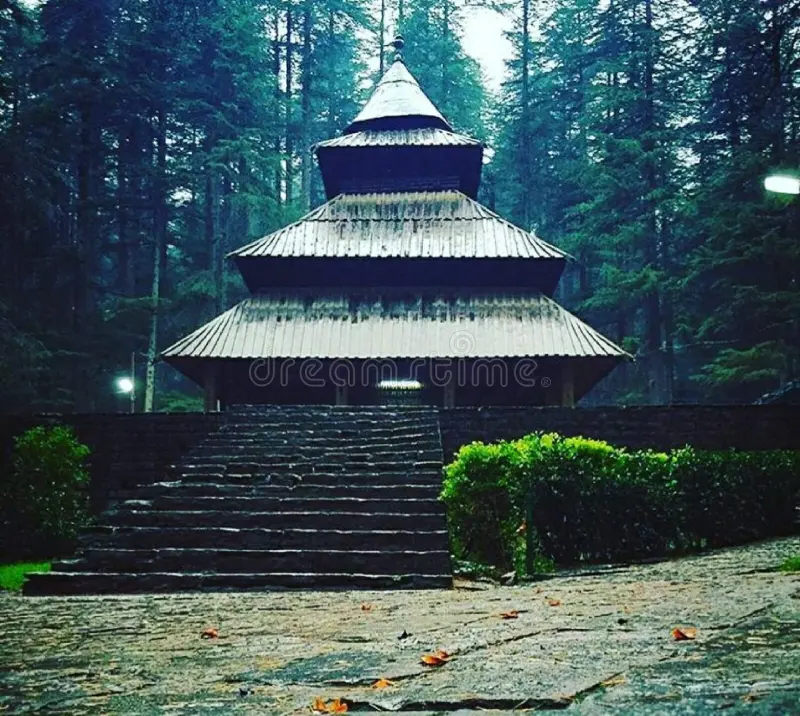
- Must Visit: Hadimba Devi Temple, a 16th-century wooden marvel nestled in a cedar forest.
D. Solang Valley: The Adventure Hub
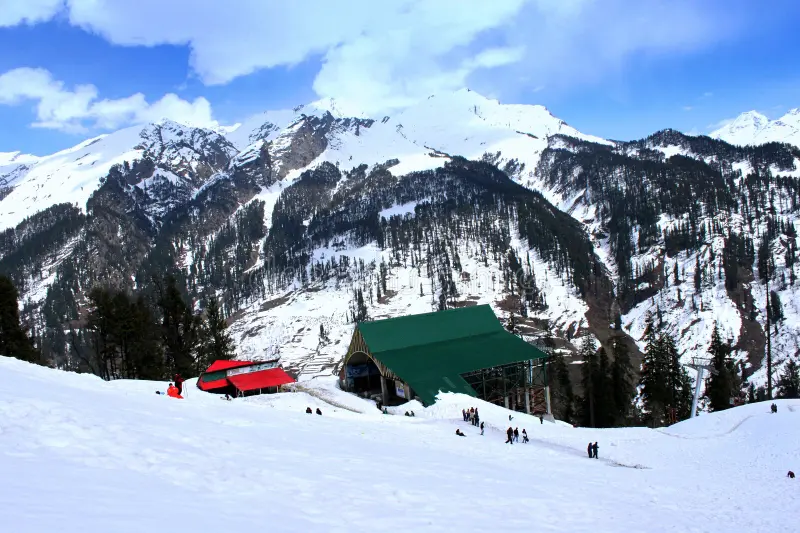
For paragliding, zorbing, and skiing, Solang is your go-to spot. In 2026, the Solang Ropeway offers one of the best aerial views of the snow-capped Dhauladhar range.
E. Naggar Castle: For History Lovers
A 45-minute drive from Manali, Naggar was the former capital of Kullu. The wooden architecture and the Nicholas Roerich Art Gallery are must-sees for culture enthusiasts.
4. The “Hidden Gems”: Escape the Crowds
If you want to skip the traffic of Mall Road, head to these offbeat spots:
- Sethan Village (The Igloo Village): 14 km from Manali. In winter, you can actually stay in an igloo here.
- Jana Waterfall: Located near Naggar, famous for its local Himachali “Dham” (traditional feast).
- Hallan Valley: The smallest valley in Himachal, offering panoramic views with zero tourist crowds.
5. Adventure Activities & Prices (Approximate)
| Activity | Location | Estimated Price (2026) |
| Paragliding | Dhobi / Solang | ₹2,500 – ₹3,500 |
| River Rafting | Kullu (Beas River) | ₹800 – ₹1,500 per person |
| Ziplining | Solang Valley | ₹500 – ₹800 |
| Skiing | Rohtang / Solang | ₹1,000 – ₹2,000 |
6. A Perfect 5-Day Itinerary for TravelAtlass Readers
- Day 1: Arrive in Manali, check into a riverside hotel, and explore Mall Road and Van Vihar.
- Day 2: Early morning drive to Atal Tunnel, Sissu, and Keylong.
- Day 3: Local sightseeing—Hadimba Temple, Vashisht Hot Springs, and an evening in Old Manali.
- Day 4: Adventure day at Solang Valley or Rohtang Pass (subject to permit).
- Day 5: Cultural trip to Naggar Castle and Kullu for river rafting before departure.
7. Where to Eat: The Best Cafes in Manali
- Johnson’s Cafe: Famous for its Trout Fish.
- Cafe 1986: Great music and vibe for backpackers.
- Rocky’s Cafe: Offers the best sunset view in Old Manali.
8. Important Travel Tips for 2026
- Cash is King: While UPI works in the main town, network issues in Lahaul or deeper valleys mean you should always carry physical cash.
- Eco-Friendly Travel: Himachal has a strict ban on single-use plastic. Carry a reusable water bottle.
- Health: Manali is at high altitude. Stay hydrated to avoid Acute Mountain Sickness (AMS).
9. The Legends of the Valley: Stories That Breathe in the Mountains
To truly understand Kullu Manali, one must look beyond the snow. Known as ‘Kulanthpitha’ (The End of the Habitable World), this valley is steeped in Vedic mythology.
The Legend of Manu: Why Manali Exists
The name Manali is derived from ‘Manu-Alaya’ (The Abode of Manu). Local folklore says that after the Pralay (Great Deluge) that flooded the world, Sage Manu stepped off his ark right here in Manali to recreate human life. When you visit the Manu Temple in Old Manali, you aren’t just visiting a building; you are standing at the spot where humanity supposedly “restarted.”
The Goddess and the Pandava: Hadimba Devi
The Hadimba Devi Temple is unique because it honors a Rakshasi (demoness) turned Goddess. Legend says Bhima, one of the five Pandava brothers, fought and killed the demon Hidimb. He then married Hidimb’s sister, Hadimba, who meditated so intensely in these cedar forests that she attained divinity. Even today, the royal family of Kullu regards her as their grandmother and primary guardian.
10. The ‘Devta’ Culture: A Living Democracy of Gods
In Kullu, the Gods aren’t just statues; they are living rulers. Every village has its own Devta (Deity).
- The Divine Court: During the Kullu Dussehra, over 200 local deities are carried on colorful palanquins to the Dhalpur Maidan to pay homage to Lord Raghunath.
- The Oracle: If you visit a village temple, you might see a Gur (Oracle). Locals believe the deity speaks through the Gur to solve village disputes or predict the weather. This “Dev Sanskriti” is what makes Himachal the true Dev Bhoomi.
11. The Mystery of Bijli Mahadev: The Lord of Lightning
Located at an altitude of 2,460 meters, the Bijli Mahadev Temple is home to one of India’s most mystical phenomena. Perched on a hill overlooking the confluence of the Beas and Parvati rivers, this temple attracts a massive bolt of lightning every few years.
- The Ritual: Locals believe the lightning strikes the Shiva Lingam, shattering it into pieces. The temple priest then repairs the Lingam using a paste of butter and sattu (flour).
- The Symbolism: This event is seen as Lord Shiva absorbing the destructive energy of the sky to protect the valley from natural disasters. The 3km trek from Chansari village to the temple is a must for those seeking spiritual energy and 360-degree views of the Dhauladhar range.
12. Secret Trails: Trekking Beyond the Tourist Map
For those who want to experience the raw Himalayas, these trails offer solitude and adventure:
- Hampta Pass (The Dramatic Crossover): A 5-day trek that takes you from the lush green forests of Kullu into the barren, moon-like desert of Lahaul Valley. It is the ultimate crossover experience.
- Beas Kund Trek: A relatively easy 2-day trek starting from Solang Valley that leads to the source of the Beas River. You get to stand at the base of massive peaks like Hanuman Tibba.
- Lamadugh Trek: A hidden gem starting from the Hadimba Temple. This day-hike leads to an alpine plateau with untouched meadows and silent pine forests, far away from the Mall Road crowds.
13. Gastronomic Journey: The Authentic Flavors of Himachal
A trip to Kullu Manali is incomplete without tasting the soul-warming local cuisine.
- The Traditional Himachali Dham: A mid-day feast prepared by Boti (hereditary chefs) and served on leaf plates called Pattal. Key dishes include Chana Madra (chickpeas in yogurt) and Meetha Chawal.
- Siddu: A steamed, fermented bread stuffed with poppy seeds or spices, served with hot desi ghee. It is the signature winter comfort food of the valley.
14. Sustainable Travel: Preserving the Atlas
At TravelAtlass.com, we advocate for responsible tourism to protect the fragile Himalayan ecosystem.
- Eco-Tips: Avoid single-use plastic, as Himachal has strict environmental laws. Always carry a reusable bottle.
- Support Local: Stay in traditional Himachali Homestays in villages like Naggar or Soyal to experience authentic hospitality while supporting the local economy.
15. Frequently Asked Questions (FAQ)
Q1: How much does a Kullu Manali trip cost in 2026? A budget trip starts at ₹15,000 per person, while a luxury experience can range from ₹40,000 to ₹60,000 for 5 days.
Q2: Is it safe to drive to Manali during the Monsoon? Monsoon (July–August) brings risks of landslides. We recommend using HRTC Volvo buses or local mountain taxis for safety.
Q3: Can I see snow in Manali in June? Yes! While snow melts in the town, you can still find it at Rohtang Pass or by trekking to high-altitude spots like Bhrigu Lake.
Official Travel & Government Resources
| Resource Type | Official External Link (Copy & Paste) | Context for Use |
| Permits | Official Rohtang Pass Permit Portal | Use for Rohtang Pass bookings. |
| Transport | HRTC Official Volvo Bus Booking | Use for travel and connectivity. |
| Weather | IMD Live Manali Weather Forecast | Use for safety and packing tips. |
| Culture | Kullu District Administration Heritage Guide | Use for Devta culture and history. |
| Hotels | HPTDC Official Government Hotels | Use for verified luxury stays. |
| Safety | Atal Tunnel Official Status Updates | Use for Sissu and Lahaul trips. |