

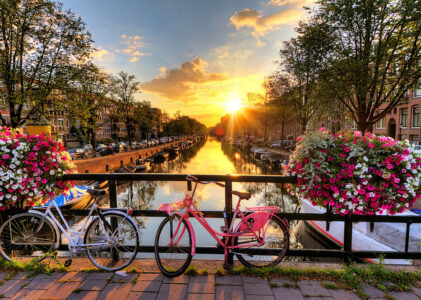
Welcome to the most comprehensive Amsterdam Canals Guide available for modern travelers. Amsterdam is a city defined by water; its mesmerizing 17th-century network of concentric waterways, known as the Grachtengordel, is more than just a scenic backdrop. It is a testament to incredible engineering, a rich Golden Age history, and a vibrant modern lifestyle that continues to pulse through the city today.
Whether you are looking for a romantic boat tour, photography tips for iconic gabled houses, or a peaceful cycle along the water’s edge, this Amsterdam Canals Guide explores everything you need to know about this UNESCO World Heritage site.
Why You Need an Amsterdam Canals Guide
In 2010, the Amsterdam Canal District was officially added to the UNESCO World Heritage list. Unlike cities that grew organically, this canal ring was a planned 17th-century expansion designed to manage water and facilitate global trade. To navigate this “Venice of the North,” you need a proper Amsterdam Canals Guide to understand the four primary waterways:
- Singel: The former medieval moat.
- Herengracht: The prestigious “Patricians’ Canal” lined with grand mansions.
- Keizersgracht: The wide “Emperor’s Canal.”
- Prinsengracht: The lively “Prince’s Canal,” home to the Anne Frank House
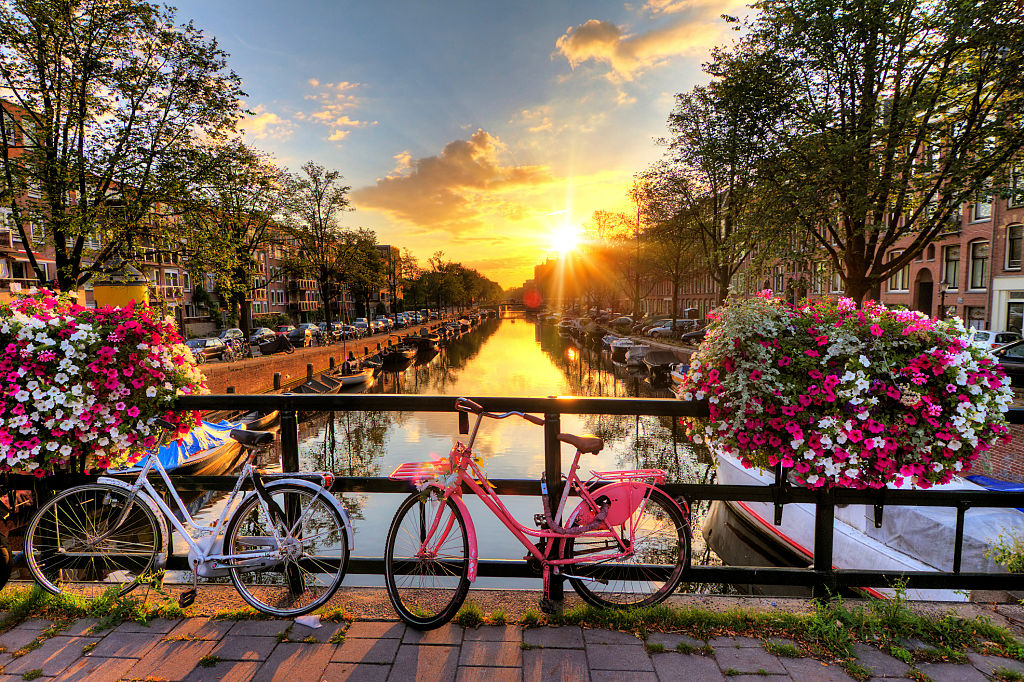
Introduction: Why Amsterdam’s Canals are a Global Icon
In 2010, the Amsterdam Canal District was officially added to the UNESCO World Heritage list. But what makes these waterways so special? Unlike many other historic cities that grew organically, Amsterdam’s canal ring was a planned urban expansion.
Built during the Dutch Golden Age (the 17th century), the canals were designed to manage water, facilitate global trade, and provide luxury housing for the city’s rising merchant class. Today, with over 100 kilometers of canals, 1,500 bridges, and 90 islands, the city offers a unique architectural landscape that feels like an open-air museum.
The History of the Grachtengordel (The Canal Ring)
The “Grachtengordel” refers to the three main canals that form a crescent around the old medieval center. To truly appreciate the city, one must understand the purpose of these four primary waterways:
- Singel: Originally the medieval moat of the city, it served as the outer boundary until the 1580s.
- Herengracht (Patricians’ Canal): Historically the most prestigious canal, where the wealthiest merchants and city officials built their grand mansions.
- Keizersgracht (Emperor’s Canal): Named after Emperor Maximilian I, this is the widest of the three main canals.
- Prinsengracht (Prince’s Canal): Named after William the Silent, this canal was historically lined with more modest homes and warehouses, though today it is one of the most vibrant areas for tourism and nightlife.
The Engineering Marvel
During the 1600s, Amsterdam was the center of the global economy. To accommodate the booming population, the city drained the surrounding swampland using a complex system of dikes and pumps. Every house you see along the canal is built on wooden piles (now mostly replaced by concrete) driven deep into the sandy soil to prevent them from sinking into the marsh.
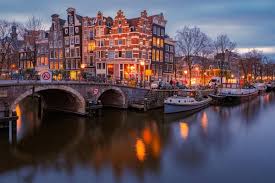
Architecture: Gabled Houses and Hidden Details
One cannot talk about Amsterdam’s canals without mentioning the gabled houses. These narrow, tall buildings were designed this way because, in the 17th century, homeowners were taxed based on the width of their property’s canal frontage.
Types of Gables to Spot:
- The Step Gable (Trapgevel): Common in the early 1600s, resembling a set of stairs.
- The Neck Gable (Halsgevel): A more elegant, narrow top often decorated with sandstone ornaments.
- The Bell Gable (Klokgevel): Shaped like a church bell, popular in the 18th century.
Look Up! You will notice many houses lean forward and have a metal hook at the very top. This “forward lean” was intentional, allowing merchants to hoist heavy goods from boats into the attic using a pulley system without the cargo hitting the windows or the facade.
Top Things to Do on Amsterdam’s Canals
1. Take a Classic Canal Cruise
A boat tour is the quintessential Amsterdam experience. From the water, you get a perspective of the architecture that is impossible to see from the street.
- Daytime Cruises: Best for photography and seeing the details of the gables.
- Evening Cruises: The bridges are illuminated with thousands of fairy lights, creating a romantic, magical atmosphere.
2. Stay on a Houseboat
Amsterdam is famous for its houseboats. Originally a solution to the post-war housing shortage, there are now approximately 2,500 houseboats docked along the canals. Many have been converted into luxury B&Bs, offering visitors the chance to literally sleep on the UNESCO site.
3. Visit the “Houseboat Museum” (Woonbootmuseum)
Curious about what it’s like to live on the water? The Hendrika Maria, a former freighter built in 1914, is now a museum that gives visitors a glimpse into the cozy (and surprisingly spacious) life of a houseboat dweller.
4. Photograph the “Bridge of 15 Bridges”
Head to the corner of the Reguliersgracht and Herengracht. If you stand in the right spot on the bridge, you can peer through the arches of six consecutive bridges in one direction and several more in the others—totaling 15 bridges in your field of vision. It is a photographer’s dream.
The Culture of the Canals: Cafes and Cycling
The life of the city happens at the water’s edge.
Waterside Cafes and “Brown Bars”
There is nothing more “Gezellig” (a Dutch word for cozy/social) than sitting at a canal-side terrace with a coffee or a local craft beer. The Jordaan district, bordering the Prinsengracht, is the best place to find traditional “Brown Cafes”—historic pubs with dark wood interiors and a relaxed local vibe.
Cycling the Canal Paths
While the canals are for boats, the quays are for bikes. Cycling along the canals is the fastest way to feel like a local. However, be mindful: Amsterdam’s cyclists are fast! Stay to the right, don’t stop abruptly to take photos, and always lock your bike to a designated rack (not the bridge railings, or it might be removed by the city).
Practical Tips for Your Visit
- Best Time to Visit: Spring (April/May) brings tulips and the famous King’s Day (April 27th), where the canals turn into a giant orange boat party. Alternatively, December offers the Amsterdam Light Festival, where international artists install light sculptures throughout the waterways.
- Eco-Friendly Travel: Opt for an electric boat tour. Most major canal cruise companies have transitioned to electric engines to preserve the air quality and quiet of the historic district.
- Walking Tours: Many free and private walking tours focus specifically on the “Golden Age” history of the Grachtengordel.
Modern Life in a Historic Setting
While the canals are historic, they are not stagnant. They remain a vital part of Amsterdam’s infrastructure. They help with water management (preventing the city from flooding) and are the site of major cultural events like the Grachtenfestival (Canal Festival), where classical music is performed on floating stages.
Even today, the canals are cleaned regularly by a “litter boat” that fishes out thousands of bicycles every year!
Conclusion: A Timeless Experience
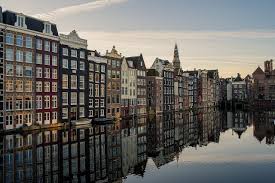
Amsterdam’s canals are more than just a tourist attraction; they are the soul of the city. They represent the Dutch spirit of innovation—turning a swamp into one of the most beautiful urban landscapes in the world. Whether you’re admiring the reflections of the gabled houses in the water at sunset or exploring the hidden courtyards tucked behind the canal walls, the Grachtengordel promises an unforgettable experience.
Internal Link:
Top Tourist Destinations in India: A Complete Travel Guide
Explore India’s Rich Culture and Tourism Wonders