
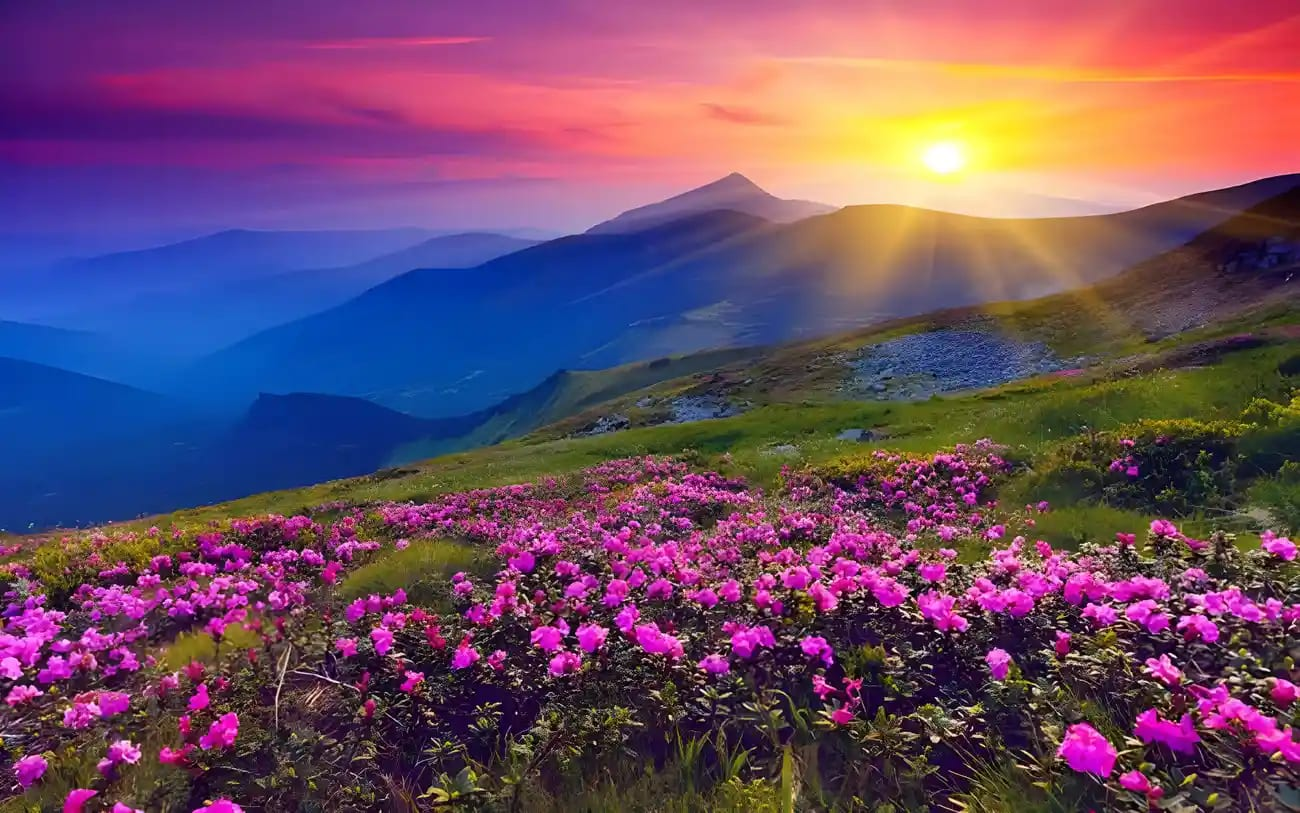

Sikkim, a breathtaking jewel nestled in the northeastern Himalayas of India, is an absolute paradise for international adventurers, nature lovers, and cultural explorers. Bordered by Bhutan, Tibet, and Nepal, this serene state features everything from dramatic snow-capped alpine peaks—including Mt. Kangchenjunga, the third-highest mountain in the world—to lush subtropical valleys, ancient Tibetan Buddhist monasteries, and crystal-clear glacial lakes.
Whether you are seeking a high-altitude Himalayan trek, a peaceful spiritual retreat, or a deep dive into unique indigenous cultures, Sikkim delivers an unparalleled travel experience.
To help you design the perfect itinerary for your next big adventure, here are the top 10 tourist places in Sikkim that you must visit.
- Gangtok: The Vibrant Himalayan Capital
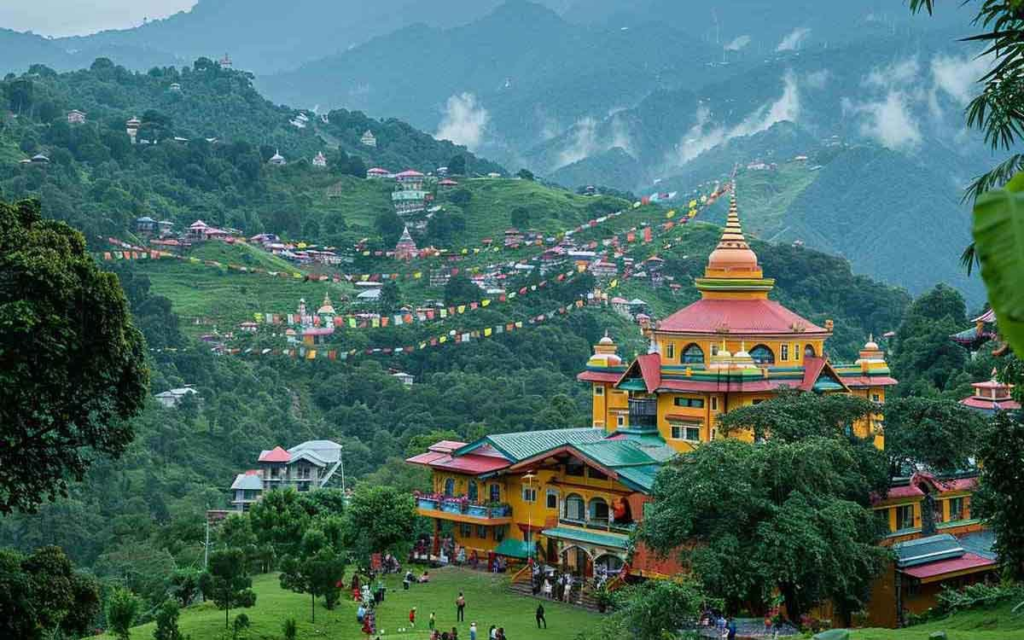
As the capital city of Sikkim, Gangtok effortlessly blends modern infrastructure with rich, deeply rooted cultural traditions. Perched at an elevation of 5,500 feet, Gangtok serves as the ideal base camp for your entire Sikkimese journey.
Key Highlights: Walk down the pedestrian-only, litter-free Mahatma Gandhi (MG) Marg to experience premium local dining, explore the historic Enchey Monastery, and ride the scenic Gangtok Ropeway for sweeping, panoramic views of the entire valley.
Best Time to Visit: October to December for clear winter skies, or March to May for beautiful spring weather.
- Tsomgo Lake (Changu Lake): A Sacred Glacial Wonder
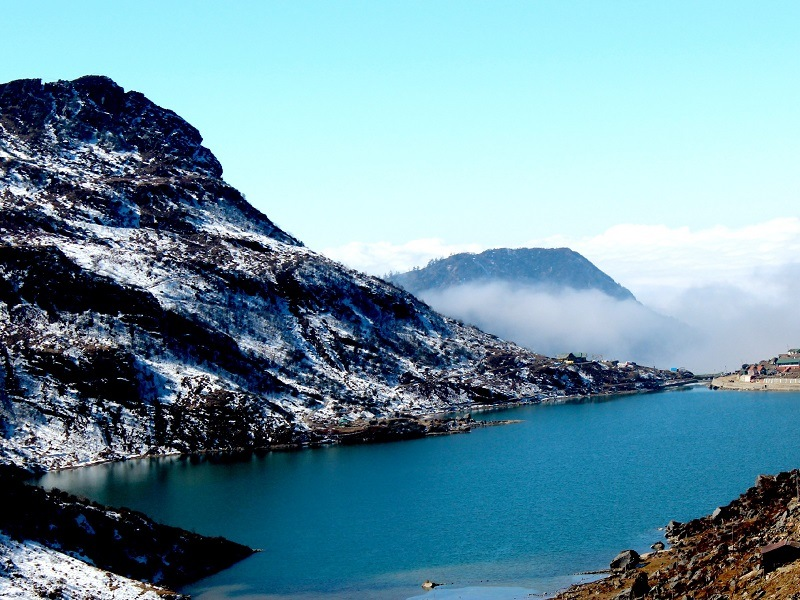
Located roughly 40 kilometers from Gangtok at a staggering altitude of 12,310 feet, Tsomgo Lake (locally known as Changu Lake) is a ethereally beautiful glacial water body. The lake is deeply revered by local Sikkimese people and changes color with the shifting seasons, completely freezing over into a solid sheet of ice during the peak winter months.
Key Highlights: Enjoy a unique ride on a colorfully decorated yak along the snow-covered lakeside, and appreciate the striking reflection of the surrounding alpine peaks in the water.
Traveler Tip: Due to its close proximity to the international border, both domestic and international tourists require a Protected Area Permit (PAP) to visit.
- Nathu La Pass: The Historic Silk Route Gateway
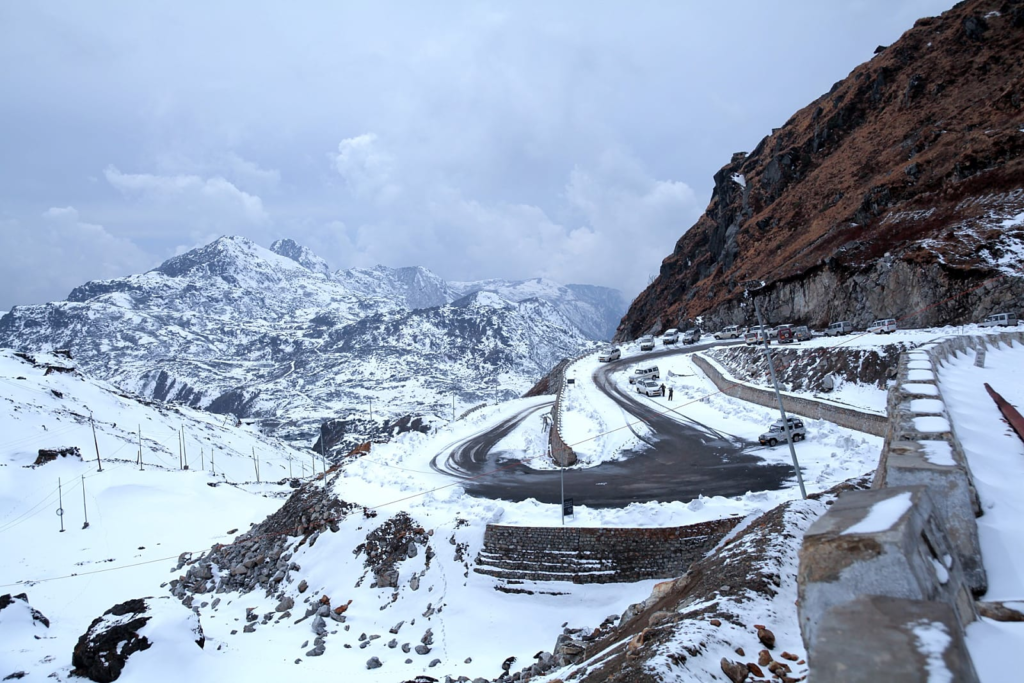
For travelers looking to stand at the edge of international borders, Nathu La Pass is an unforgettable destination. Situated at 14,140 feet, this heavily fortified mountain pass historically connected India to Tibet’s autonomous region via an offshoot of the ancient Old Silk Route.
Key Highlights: Witness the Indo-China border gates, view the steps where Indian and Chinese soldiers stand guard, and stop by the nearby Baba Harbhajan Singh Mandir—a shrine dedicated to a legendary Indian soldier.
Important Notice: Only Indian nationals are permitted to visit Nathu La Pass, and special permits must be secured at least a day in advance.
- Pelling: The Best Views of Mt. Kangchenjunga
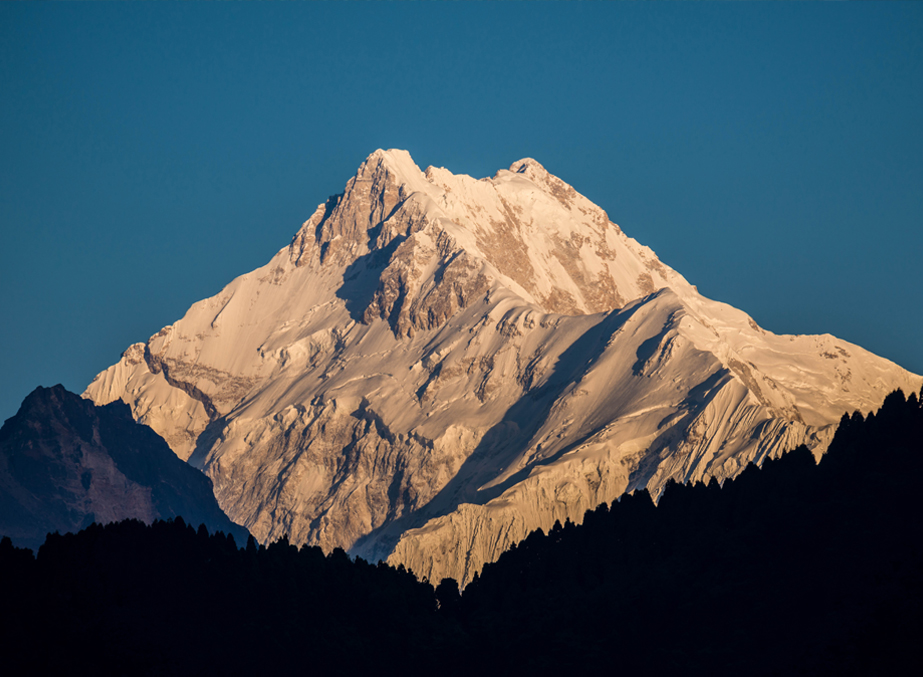
Nestled quietly in West Sikkim, Pelling is a rapidly growing hotspot for travelers seeking unmatched views of the majestic Mt. Kangchenjunga range. Surrounded by thick alpine forests and historic ruins, it offers a peaceful, scenic alternative to busier urban hubs.
Key Highlights: Walk across the thrilling Pelling Skywalk—India’s first glass skywalk—which overlooks a massive 137-foot statue of Chenrezig. Don’t miss exploring the historic 17th-century Rabdentse Ruins and the sacred Pemayangtse Monastery.
- Gurudongmar Lake: One of the Highest Lakes in the World
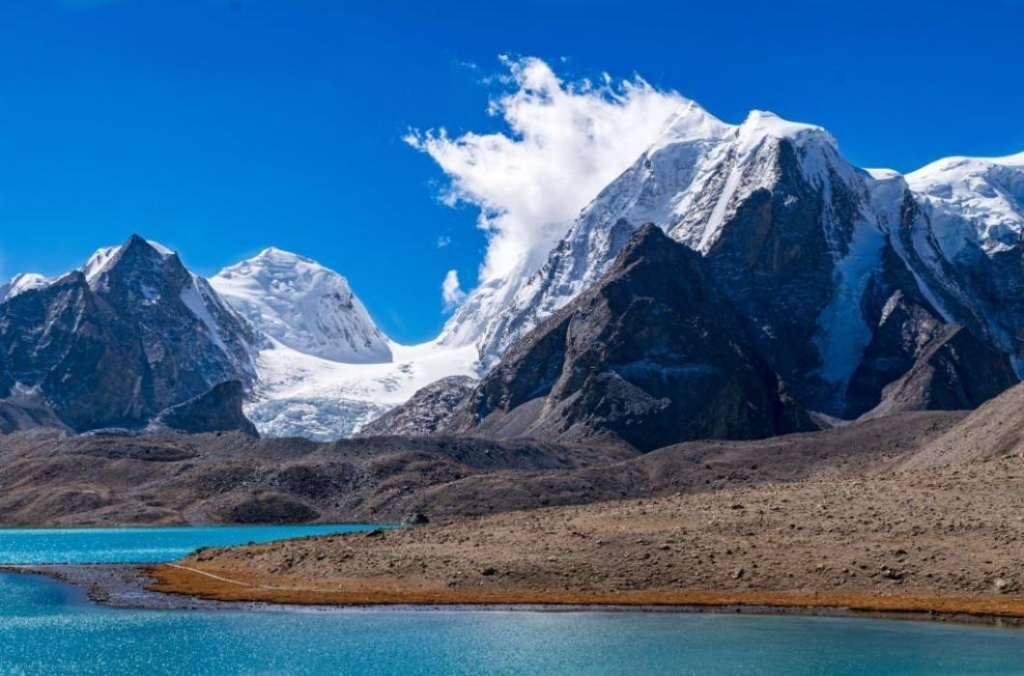
For true high-altitude adventure seekers, North Sikkim’s Gurudongmar Lake is the ultimate bucket-list destination. Sitting at a breathtaking altitude of 17,800 feet, it is one of the highest lakes globally. The lake is sacred to Buddhists, Hindus, and Sikhs alike, and a small portion of the lake remarkably never freezes, even during sub-zero winters.
Key Highlights: Marvel at the pristine turquoise waters framed by stark, snow-dusted mountains.
Safety Warning: Acute Mountain Sickness (AMS) is a very real risk here due to the thin air. Travelers must spend a night acclimatizing in the nearby villages of Lachen or Thangu before ascending.
- Yumthang Valley: The Valley of Flowers
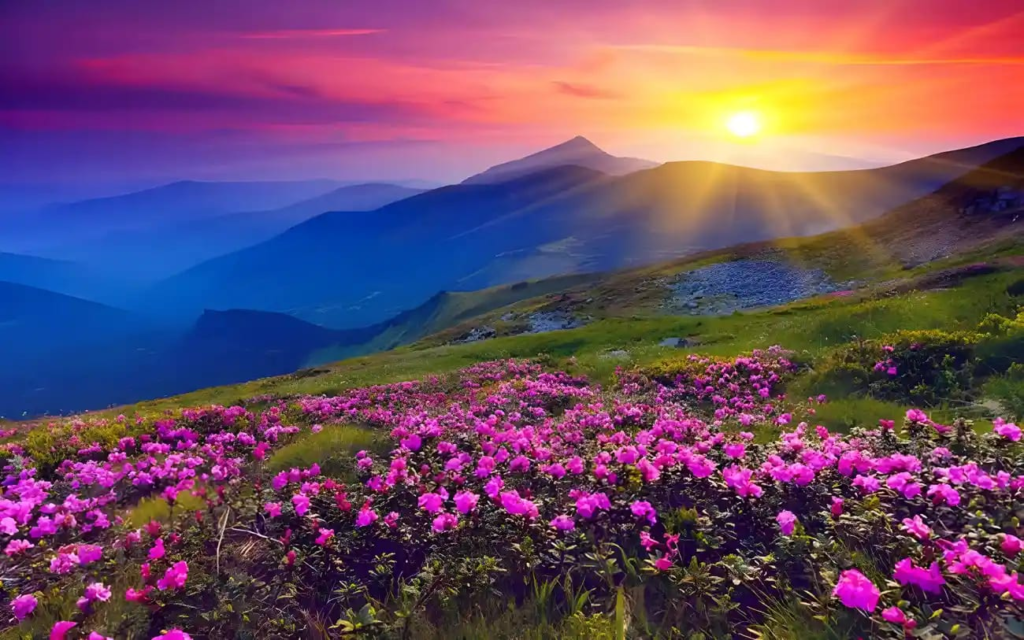
Commonly referred to as the “Valley of Flowers” of Northeast India, Yumthang Valley is a paradise located in North Sikkim at an elevation of 11,693 feet. During the spring, this vast river valley bursts into a vibrant mosaic of colors.
Key Highlights: Walk through the Shingba Rhododendron Sanctuary, which boasts over 24 distinct species of rhododendrons blooming from April to May. You can also relax in the natural therapeutic hot springs found in the valley.
- Lachung and Lachen: Picturesque Alpine Villages
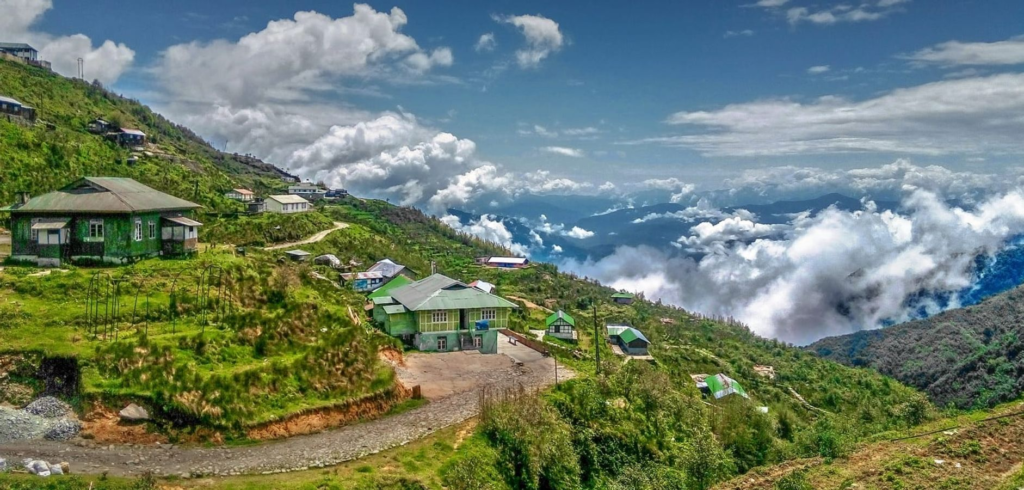
Lachen and Lachung are twin high-altitude mountain villages in North Sikkim that act as the primary gateways to Gurudongmar Lake and Yumthang Valley, respectively. Divided by deep valleys but united by stunning alpine scenery, these villages feature traditional wooden homes and striking waterfalls.
Key Highlights: Experience authentic Sikkimese hospitality through local homestays, taste traditional Tibetan-influenced cuisine like thukpa, and admire the rushing waters of the Teesta River.
- Ravangla: The Spiritual Sanctuary
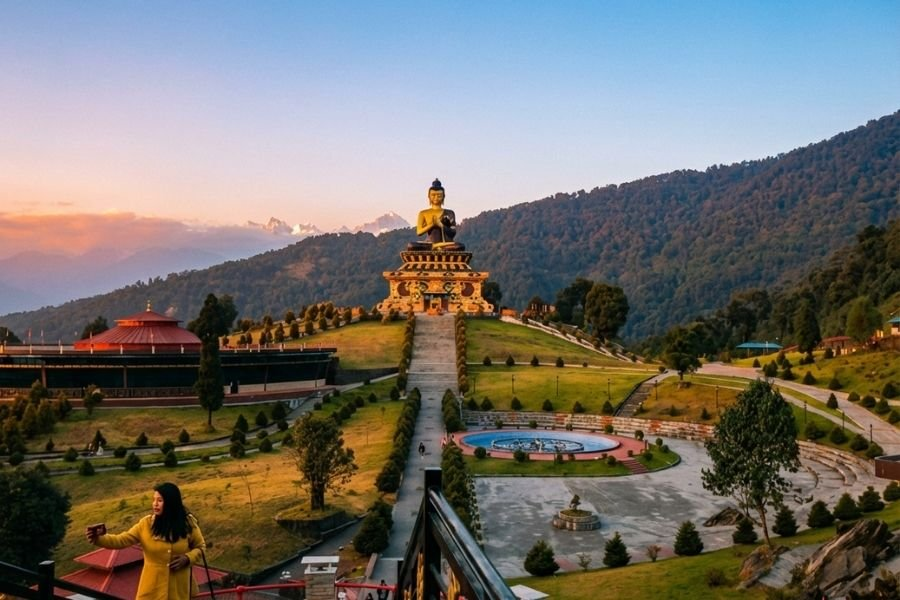
Positioned in South Sikkim, Ravangla is a tranquil town famous for its pristine natural beauty and spiritual atmosphere. It is backdropped by the towering Maenam and Tendong hills, making it a fantastic spot for birdwatching and light trekking.
Key Highlights: Visit the spectacular Buddha Park of Ravangla (Tathagata Tsal), which features a breathtaking 130-foot-tall bronze statue of Lord Buddha set against a manicured park with panoramic mountain views.
- Zuluk: The Winding Hairpin Curves
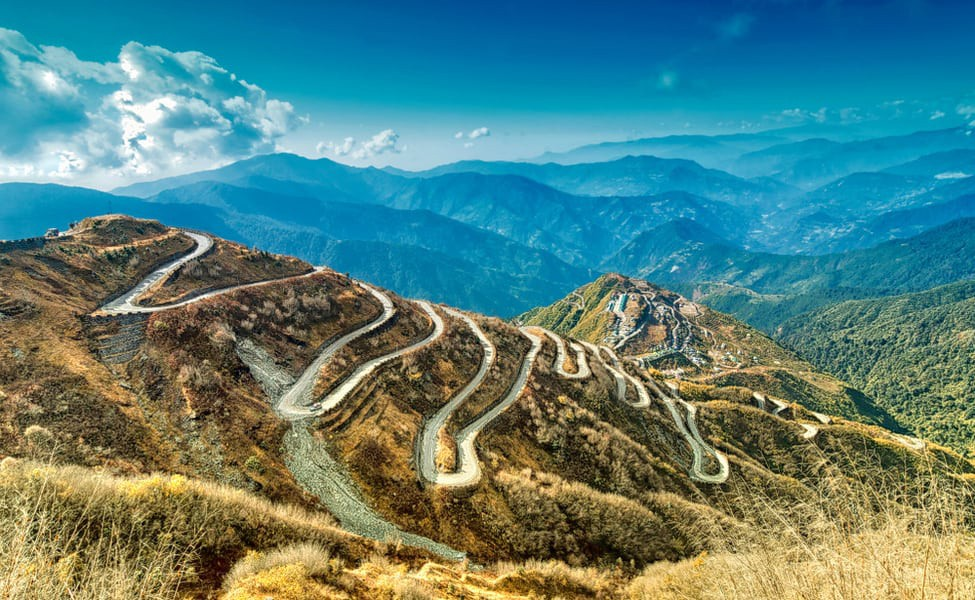
If you love dramatic road trips, Zuluk is a hidden gem situated in East Sikkim along the Old Silk Route. Once a transit point for traders traveling between Tibet and India, this small village is now famous for its engineering marvel: a dizzying road featuring three tiers of over 30 sharp hairpin turns.
Key Highlights: Drive the mesmerizing zigzag roads and head up to the Thambi View Point at sunrise to catch the early morning sun painting the Kangchenjunga range in shades of gold.
- Namchi: A Cultural and Architectural Marvel
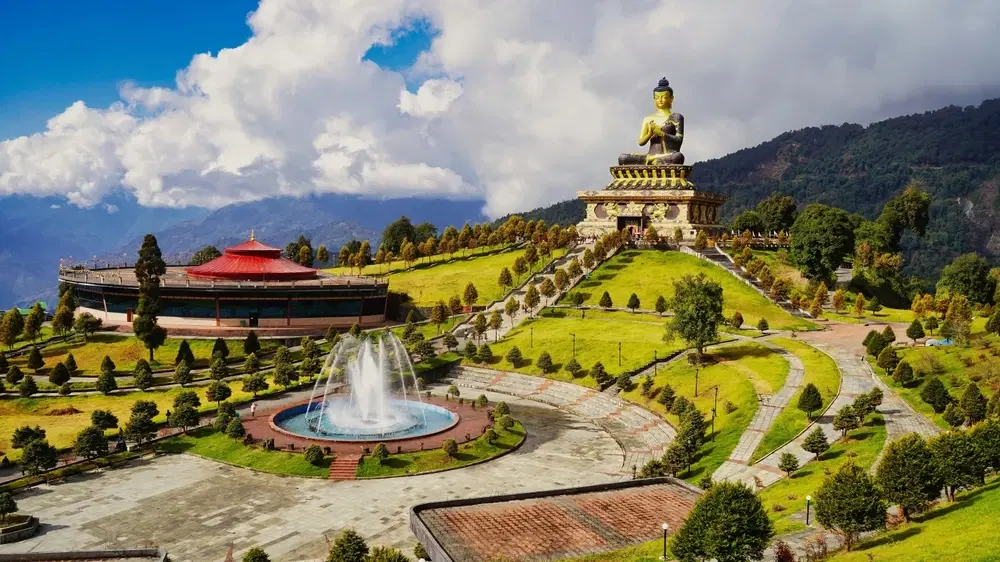
Namchi, which translates literally to “Sky High,” is the cultural capital of South Sikkim. It has transformed into a major hub for religious and cultural tourism, offering massive architectural marvels that draw travelers from all over the world.
Key Highlights: Explore the Siddheshwar Dham (Solophok), a massive complex featuring a 108-foot statue of Lord Shiva alongside replicas of India’s four most sacred Dhams. Also, climb Samdruptse Hill to see the towering 135-foot statue of Guru Padmasambhava.
Smart Packing & Financial Tips for International Travelers
Traveling through remote regions of India requires a bit of advanced preparation, especially when it comes to smoothly managing your finances and connectivity:
Handling Currency & Payments: Many remote areas across North and West Sikkim have highly limited ATM access and unstable cellular networks, making credit card transactions impossible. International travelers can bypass steep foreign transaction fees by utilizing a multi-currency travel card like the Wise International Debit Card to withdraw Indian Rupees (INR) ahead of time in Gangtok.
Booking Your Accommodations: If you want to secure the best rates on boutique Himalayan lodges and highly-rated local homestays, check out our curated list of affordable luxury stays on our main TravelAtlass Accommodations Directory.
More Information :
https://en.wikipedia.org/wiki/Sikkim